E-mail Us: market1@hotoheat.com Call Us On: +86-15366416606

- All
- Product Name
- Product Keyword
- Product Model
- Product Summary
- Product Description
- Multi Field Search
Views: 0 Author: Site Editor Publish Time: 2026-01-13 Origin: Site
HOTO Heating Equipment Co., Ltd. is a leading manufacturer specializing in industrial immersion heaters designed for various heating applications. Our industrial immersion heaters are highly regarded for their efficiency and reliability, particularly in challenging conditions such as cold weather. This guide will explore the importance of immersion heaters in cold-weather applications, detailing their operation, the challenges of heating tanks in such conditions, and how HOTO’s immersion heaters provide the solution for industries that require consistent, reliable heating.
Industrial immersion heaters are devices used to directly heat liquids or gases within tanks or vessels by immersing heating elements into the fluid. These heaters provide direct heat transfer to the fluid, making them highly efficient and responsive. HOTO’s immersion heaters come in various configurations, sizes, and materials to cater to diverse industrial needs, ensuring that even in cold environments, the required heating performance is achieved.
At their core, industrial immersion heaters function through Joule heating, where an electrical current is passed through a resistive element. This process generates heat, which is then transferred to the fluid surrounding the heater. HOTO’s immersion heaters are specifically designed to offer direct heat transfer, making them ideal for industries that require precision and consistency in heating.
The elements used in these heaters are carefully chosen to provide optimal performance and longevity, ensuring that your system continues to operate efficiently, even under extreme conditions. HOTO’s immersion heaters can be tailored to suit different applications, including water heating, oil heating, and chemical processing.
The direct immersion heating method used in immersion heaters is inherently efficient because it eliminates the need for heat exchangers or intermediary processes. Since the heating element is in direct contact with the fluid, heat is transferred with minimal loss. This direct contact leads to faster and more uniform heating, especially when heating large volumes of fluid in tanks or vessels.
In cold weather conditions, where maintaining a stable temperature is crucial for ensuring the smooth operation of industrial processes, immersion heaters offer a highly effective solution by ensuring that the fluid is heated evenly and consistently.
When heating fluids in tanks in cold weather, industries face unique challenges. The primary concern is the risk of heat loss and the impact of cold temperatures on fluid properties.
Cold weather can cause significant heat loss, especially in outdoor tanks or in uninsulated areas. When tanks are exposed to low temperatures, the heat from the fluid can easily dissipate, leading to a decrease in the overall efficiency of the heating system. HOTO’s industrial immersion heaters address this challenge by providing focused, direct heat that minimizes heat loss and ensures the fluid maintains the desired temperature.
In some cases, cold weather may also lead to freezing of the fluid inside the tank. This poses a risk to the entire system, as frozen fluids can cause blockages, damage to pumps, and potential failure of the heating system. HOTO’s immersion heaters help prevent freezing by maintaining the fluid at a consistent, optimal temperature.
Cold temperatures can increase the viscosity of fluids, making them thicker and more difficult to pump. In processes like chemical processing or oil heating, this can result in slow fluid movement, reduced flow rates, and additional strain on pumps. HOTO’s immersion heaters ensure that the fluid remains at the ideal temperature for pumping, reducing viscosity and allowing for smoother, more efficient operations.
For industries relying on continuous fluid flow, the ability to keep the fluid at the correct temperature is essential for maintaining pump performance and preventing operational delays.
When selecting an industrial immersion heater for cold weather applications, it is essential to consider the type of heater that will best suit the specific needs of the application. The three main types of immersion heaters that are ideal for cold conditions include screw-plug heaters, flanged immersion heaters, and over-the-side heaters.
Screw-plug heaters are designed for installation in tanks with threaded openings. These heaters are compact and versatile, making them ideal for smaller tanks or when space is limited. Screw-plug heaters are commonly used in water and oil heating applications where quick, efficient heating is required.
Flanged immersion heaters are typically used in larger tanks or vessels. The heating element is mounted on a flange that can be bolted to the tank or vessel opening, providing a secure and durable heating solution. These heaters are suitable for applications requiring high power output and can handle large volumes of fluid. Flanged immersion heaters are ideal for industrial-scale operations in cold environments, where robust and reliable heating is necessary.
Over-the-side heaters are mounted externally and hang over the side of a tank. These heaters are perfect for applications where easy access for maintenance and installation is required. They are typically used in applications where the heater needs to be frequently replaced or serviced without draining the tank. Over-the-side heaters provide flexibility and ease of use in cold weather conditions.
In cold weather, the heater design and materials used in construction play a critical role in ensuring the durability and efficiency of the system. HOTO’s industrial immersion heaters are built to withstand harsh environments, with materials and design features that provide excellent corrosion resistance and ensure reliable performance.
Cold weather conditions, especially in outdoor or harsh environments, can expose heaters to moisture, chemicals, and corrosive substances. It is essential that immersion heaters are constructed from materials that resist corrosion to ensure longevity and minimize the risk of failure. HOTO’s immersion heaters are made from high-quality materials like stainless steel and Incoloy, which offer excellent corrosion resistance and are designed to endure tough industrial environments.
Integrating thermostats and sensors with immersion heaters ensures precise temperature control, which is especially important in cold weather applications. HOTO’s industrial immersion heaters are designed to work seamlessly with advanced temperature control systems, allowing for real-time monitoring and adjustments to maintain optimal heating conditions.
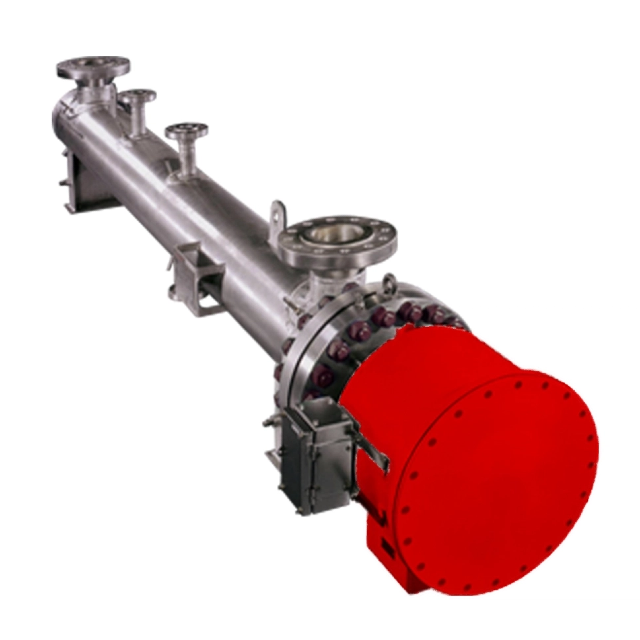
To maximize the efficiency of industrial immersion heaters in cold weather conditions, proper installation is essential. Below are some installation best practices for ensuring the optimal performance of immersion heaters.
The position of the heater inside the tank is critical for ensuring uniform heating. HOTO’s immersion heaters should be positioned in a way that allows the fluid to flow over the heating element evenly. Proper placement of the heater can help ensure that heat is distributed uniformly throughout the tank, preventing cold spots and reducing energy waste.
Insulating the tank and the heater’s electrical components helps reduce heat loss and improve efficiency. Additionally, integrating temperature sensors and control systems with the immersion heaters ensures that the tank temperature is constantly monitored and adjusted as needed. This integration provides a reliable heating solution, especially in cold weather conditions.
The table below compares the different types of immersion heaters and their suitability for cold weather applications.
Heater Type | Best For | Cold Weather Benefit |
Screw-plug Heater | Closed tanks | High protection & heat transfer |
Flanged Immersion | Large tanks | Robust & controlled |
Over-the-side Heater | Easy access tanks | Quick maintenance |
In regions with freezing temperatures, industries rely on immersion heaters to maintain consistent heating in their tanks and vessels. For example, in a cold-weather chemical plant, HOTO’s immersion heaters were installed to prevent freezing in large storage tanks containing chemicals. The heaters maintained the fluid temperature, preventing the fluid from solidifying, which could have caused pump failures and costly downtime.
To ensure that immersion heaters continue to operate effectively in cold weather conditions, regular maintenance is required. Here are a few tips to prolong the lifespan of immersion heaters:
Inspect the heaters regularly for any signs of wear or corrosion.
Ensure that the thermostat and sensor systems are calibrated and functioning correctly.
Clean the heaters periodically to remove any build-up of scale or residue that may affect performance.
Check the heater’s wiring and electrical components to ensure they are secure and in good condition.
In conclusion, HOTO’s industrial immersion heaters provide a reliable, energy-efficient solution for maintaining optimal fluid temperatures in cold weather conditions. Whether it’s for oil, water, or chemical processing, our immersion heaters offer the precise heating control required for consistent, high-quality performance. By ensuring that your tanks and vessels remain heated even in freezing temperatures, HOTO helps industries operate smoothly year-round. For more information about how HOTO can assist with your immersion heater needs, please contact us today!
Q1: How do immersion heaters work in cold weather conditions?
A1: Immersion heaters directly heat fluids inside tanks by using electrical heating elements. This direct contact ensures fast and efficient heating, even in cold environments.
Q2: What types of immersion heaters are best for cold weather?
A2: Screw-plug heaters, flanged immersion heaters, and over-the-side heaters are all suitable for cold weather applications, depending on the size of the tank and the accessibility requirements.
Q3: Can immersion heaters prevent freezing in tanks?
A3: Yes, HOTO’s immersion heaters maintain the required temperature in tanks, preventing freezing and ensuring smooth operations in cold climates.
Q4: How can I improve the efficiency of my immersion heaters in cold weather?
A4: Proper positioning, insulation, and integration with temperature sensors and control systems help maximize the efficiency of immersion heaters in cold weather conditions.


