E-mail Us: market1@hotoheat.com Call Us On: +86-15366416606

- All
- Product Name
- Product Keyword
- Product Model
- Product Summary
- Product Description
- Multi Field Search
Views: 0 Author: Site Editor Publish Time: 2026-01-23 Origin: Site
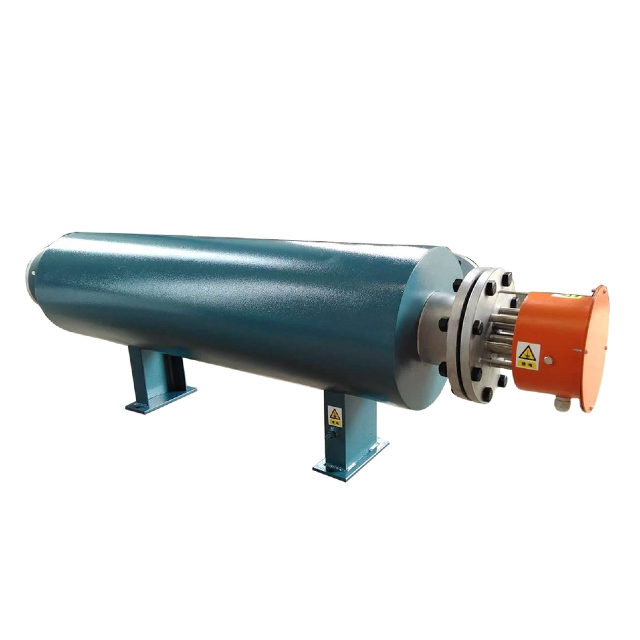
HOTO Heating Equipment Co., Ltd. specializes in designing and manufacturing high-performance electric immersion heaters tailored to industrial needs. Our electric immersion heaters are designed to efficiently heat liquids and gases in tanks, vessels, and various process systems. This article provides a detailed technical overview of electric immersion heaters, including their operating principles, components, engineering considerations, performance metrics, and how these heaters contribute to efficient industrial heating.
An electric immersion heater is a device designed to directly heat fluids or gases by immersing an electric heating element into the fluid. This simple but efficient method of heating allows for direct and effective heat transfer. Electric immersion heaters are commonly used in tanks, vessels, and large containers, where heating of large volumes of liquid or gas is required. The immersion heater works by converting electrical energy into heat via the resistive properties of the heating element.
The fundamental characteristic of an electric immersion heater is its submerged heating element. This element is designed to be directly immersed in the fluid or gas being heated. The fluid surrounding the heating element absorbs the heat, raising its temperature. The immersion design ensures optimal heat transfer efficiency, as there is no intermediary medium between the heating element and the fluid. HOTO’s electric immersion heaters are made from durable materials, such as stainless steel or Incoloy, to withstand the high temperatures and corrosive environments typically encountered in industrial heating applications.
The basic operating principle of electric immersion heaters is based on Joule heating, where an electrical current passes through a resistive material, creating heat. This heat is then transferred to the surrounding fluid. The electrical components include the heater’s element, the electrical wiring, and connectors, while the mechanical components consist of the heater's casing, mounting brackets, and support structures. These elements work together to ensure that the electric immersion heater functions reliably and safely in various industrial applications.
A typical electric immersion heater consists of several essential components that work together to deliver consistent and efficient heating. Understanding each of these components can help you select the best heater for your specific application.
The heating element is often surrounded by a protective sheath made of materials such as stainless steel, Incoloy, or titanium. These materials are selected based on their ability to withstand high temperatures, resist corrosion, and ensure long-term durability in harsh environments. The sheath not only protects the heating element but also prevents the element from directly contacting the fluid, which could otherwise lead to damage.
The fittings of an electric immersion heater include the flanges, threads, and mounting brackets that secure the heater in place within a tank or vessel. These fittings are designed to ensure a secure and leak-free installation. The controls, such as thermostats and sensors, allow operators to monitor and adjust the temperature of the fluid, ensuring optimal heating performance. HOTO’s immersion heaters are equipped with advanced control systems that allow for precise temperature regulation and improved operational efficiency.
Temperature sensors and thermostats are crucial components of electric immersion heaters. These devices continuously monitor the temperature of the fluid and allow the operator to adjust the heating process as needed. The thermostat regulates the heater’s operation by turning it on and off based on the set temperature, ensuring that the fluid is heated to the desired temperature without overheating.
When selecting electric immersion heaters for industrial applications, several engineering considerations need to be taken into account to ensure optimal performance. These considerations include wattage, watt density, and material compatibility.
The wattage of an electric immersion heater refers to the amount of heat the heater is capable of producing. The watt density, which refers to the amount of heat generated per unit area of the heating element, is equally important. A higher watt density results in faster heating but can also lead to more localized heating, potentially causing overheating or damage if not carefully managed. It is essential to choose the correct wattage and density to match the specific heating needs of the application.
The materials used in the construction of an electric immersion heater must be compatible with the type of fluid being heated. For example, highly corrosive fluids may require heaters made from specialized materials such as titanium or Incoloy, which offer enhanced resistance to corrosion. The compatibility of the heater materials with the fluid ensures the longevity of the heater and prevents degradation over time.
To assess the efficiency of an electric immersion heater, it is important to consider key performance metrics, such as heating rate and efficiency. These metrics can help operators determine how well the heater is performing and whether it is suitable for the intended application.
The heating rate of an electric immersion heater refers to how quickly it can raise the temperature of the fluid. This rate depends on factors such as the heater’s wattage, the fluid’s specific heat capacity, and the initial temperature of the fluid. For applications that require rapid heating, HOTO’s immersion heaters can be selected with higher wattages to achieve faster temperature increases.
The efficiency of an electric immersion heater refers to how much of the electrical energy is converted into useful heat. Electric immersion heaters are generally very efficient, as nearly all of the electrical energy is converted into heat that is transferred to the fluid. The efficiency of the heater can be influenced by factors such as insulation, fluid flow, and temperature regulation.
The following table outlines the best materials for various fluid types and their corresponding corrosion ratings. When selecting an electric immersion heater, it is essential to choose the appropriate material to ensure the heater’s performance and durability.
Material | Best For | Corrosion Rating |
Stainless Steel | Water | Medium |
Incoloy | Chemicals | High |
Titanium | Acidic Media | Very High |
Electric immersion heaters are used in a wide range of industrial applications. Some common installations include:
Oil and gas processing: Electric immersion heaters are used to heat oil or natural gas before further processing, ensuring that the fluid flows easily through pipelines.
Chemical manufacturing: These heaters are used to maintain the required temperature in chemical reactors, ensuring efficient reactions and consistent product quality.
Water treatment plants: Immersion heaters are used to heat water or other fluids in tanks to maintain optimal conditions for filtration and other treatment processes.
While electric immersion heaters are generally reliable, proper maintenance is essential to ensure long-term performance. Regular maintenance tasks include:
Inspection of heating elements: Over time, heating elements may degrade or accumulate scale, reducing their efficiency. Regular inspection and cleaning can help maintain optimal performance.
Thermostat calibration: The thermostat should be regularly checked to ensure it is properly regulating the temperature of the fluid.
Leak prevention: It is essential to check for any leaks around the heater fittings, as leaks can result in inefficient heating and potential damage to equipment.
In conclusion, the electric immersion heaters manufactured by HOTO Heating Equipment Co., Ltd. are designed to offer efficient, reliable, and precise heating for a wide range of industrial applications. Through careful attention to design, material selection, and engineering considerations, HOTO’s immersion heaters provide the performance needed to maintain optimal conditions in tanks, vessels, and process systems. For more information on how HOTO can meet your industrial heating needs with our high-quality electric immersion heaters, please contact us today.
Q1: What is the main advantage of using electric immersion heaters?
A1: The main advantage of electric immersion heaters is their direct heating method, providing efficient heat transfer to liquids and gases without the need for intermediary systems.
Q2: How do I know which material to choose for my electric immersion heater?
A2: The material of the heater should be selected based on the type of fluid being heated. For water, stainless steel is sufficient, while corrosive chemicals may require Incoloy or titanium for better durability.
Q3: Can electric immersion heaters be used for both heating and maintaining temperature?
A3: Yes, electric immersion heaters are ideal for both heating and maintaining the desired temperature of fluids in various applications.
Q4: How can I maintain the efficiency of my electric immersion heater?
A4: Regular inspection, cleaning, and calibration of thermostats help maintain the efficiency of electric immersion heaters, ensuring long-term reliable performance.


