E-mail Us: market1@hotoheat.com Call Us On: +86-15366416606

- All
- Product Name
- Product Keyword
- Product Model
- Product Summary
- Product Description
- Multi Field Search
Views: 0 Author: Site Editor Publish Time: 2026-01-27 Origin: Site
HOTO Heating Equipment Co., Ltd. is a renowned manufacturer specializing in electric heaters for a wide range of industrial applications. Our electric heaters are designed to offer superior performance in diverse and demanding environments, ensuring maximum efficiency, precise temperature control, and long-lasting durability. As industries continue to evolve and move toward more sustainable practices, electrical heating has become a crucial technology. In this article, we will delve into the top advantages of electrical heating in industrial systems, covering its energy efficiency, environmental benefits, space-saving design, and overall cost-effectiveness.
One of the primary reasons why electrical heating systems are widely adopted in industrial settings is their remarkable energy efficiency and their ability to provide precise temperature control. As industries push toward achieving better energy conservation, electric heaters continue to lead the way in offering high-performance, cost-effective solutions.
Unlike conventional heating systems that rely on combustion or steam generation, electric heaters convert electrical energy directly into heat via the process of Joule heating. This direct conversion of energy eliminates the need for intermediary processes such as burning fuel or creating steam, significantly improving overall system efficiency. Almost all of the electrical energy used by electric heaters is converted into useful heat, with minimal loss, making these systems highly effective in industrial applications where efficiency is paramount.
The ability of electric heaters to provide direct heat conversion also means that they are able to operate in a cleaner and more controlled manner compared to gas, steam, or oil-based systems. This high efficiency results in lower energy consumption and reduced operational costs for businesses.
Another major benefit of electric heating is its ability to maintain consistent and highly controlled temperature profiles. Electric heaters come equipped with advanced temperature sensors and controllers, allowing operators to set and regulate the heating process with precision. This ensures that the fluid, gas, or solid being heated is maintained at the exact temperature required for each process, avoiding fluctuations that could affect product quality or safety.
For industries that demand high levels of precision, such as pharmaceuticals, chemical processing, and food manufacturing, the ability to tightly control heating temperatures ensures that processes run smoothly and efficiently. Whether it's ensuring the correct temperature in a chemical reaction or maintaining consistent heat during product curing, electric heaters play a crucial role in industrial systems.
The environmental and safety advantages of electrical heating systems are substantial, particularly in industries looking to comply with increasingly strict regulations related to emissions and safety standards.
One of the standout features of electric heaters is their ability to operate with very low emissions. Since these systems do not rely on combustion or burning fossil fuels, they produce minimal carbon dioxide (CO2) and other harmful pollutants. This results in a cleaner working environment and less environmental impact, making electric heaters an environmentally friendly option.
As more industries shift toward sustainable operations, reducing emissions has become a top priority. By adopting electrical heating, industries can significantly decrease their carbon footprint while ensuring that their operations remain efficient and productive.
In addition to lower emissions, electric heating systems also offer cleaner operation in other ways. For example, there is no need for fuel storage, fuel delivery systems, or exhaust systems, which are commonly associated with traditional heating methods. These factors can reduce the risk of leaks, spills, or contamination, leading to safer and more hygienic environments.
The clean operation of electric heaters is particularly beneficial in industries such as food processing, pharmaceuticals, and water treatment, where hygiene and cleanliness are crucial to product quality and safety.
Electric heating systems are known for their compact and space-efficient design. This makes them ideal for industries that have limited space or need to optimize their facility layouts. Compared to traditional heating systems, such as boilers and steam generators, electric heaters require significantly less space and infrastructure.
The compact design of electric heaters allows them to be easily installed in tight spaces or areas with limited floor space. Whether heating large volumes of water in a chemical plant or heating fluids in a food manufacturing facility, electric heaters offer a space-saving solution without compromising on performance. Their small footprint makes them ideal for environments that require efficient heating solutions but have limited room for bulky equipment.
For companies looking to optimize their facilities and reduce clutter, electric heaters offer an attractive alternative to more traditional systems. Their design also makes them easier to transport and install, providing flexibility in terms of installation and operation.
In addition to their compact design, electric heaters offer a high degree of flexibility when it comes to installation and use. These heaters can be configured in various ways to suit different applications, such as immersion heaters, circulation heaters, and flanged heaters. Each of these configurations provides unique benefits, allowing industries to choose the best heating solution for their specific needs.
The versatility of electric heaters means they can be easily integrated into existing systems, offering a straightforward solution to upgrading outdated heating equipment. Additionally, electric heaters can be customized to meet the precise heating requirements of any application, ensuring that businesses can maximize performance and efficiency.
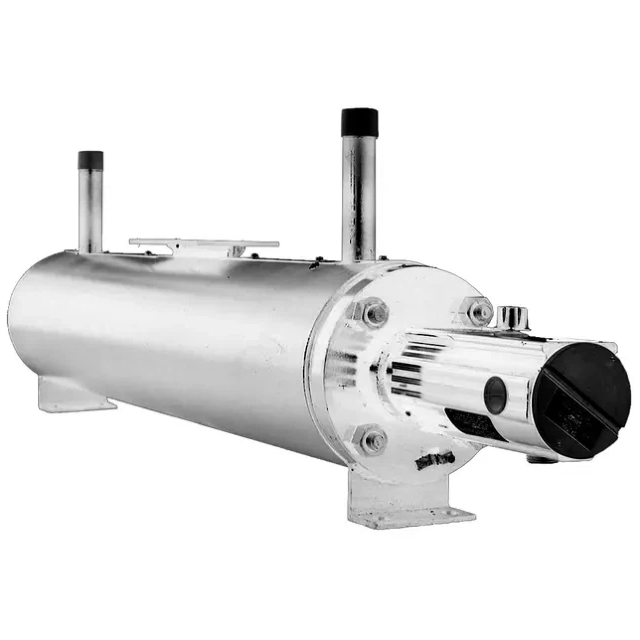
The table below provides a comparison of electric heaters versus traditional gas or steam-based heating systems in terms of emissions, control, and efficiency.
Factor | Electric Heating | Gas/Steam Heating |
Emissions | Low | Medium/High |
Control | High | Moderate |
Efficiency | Very High | Variable |
Electrical heating has proven to be an effective solution in a wide range of industries. Below are some examples of how electric heaters are successfully used to optimize processes and improve operational efficiency.
In chemical plants, where maintaining the right temperature is essential for safe and efficient reactions, electric heaters provide reliable and precise heating. Whether used in reactors, heat exchangers, or storage tanks, electric heaters ensure that chemical processes run smoothly and consistently. Their ability to maintain stable temperatures reduces the risk of production interruptions and improves product quality.
The food and beverage industry requires precise temperature control during processing and storage to maintain food safety and quality. Electric heaters are used extensively in processes like pasteurization, cooking, and drying. By offering precise temperature regulation, electric heaters help food manufacturers meet safety standards while improving product consistency and energy efficiency.
Electric heaters are also widely used in manufacturing facilities for heating air, liquids, and materials. In applications such as drying, curing, or molding, electric heaters provide consistent, controlled heat, ensuring that products are manufactured at the correct temperature. Their compact design allows them to fit into existing systems, making them an ideal choice for retrofitting or upgrading heating infrastructure in manufacturing plants.
One of the most compelling reasons to switch to electric heating is the long-term operational savings it offers. While the initial investment may be higher compared to traditional heating methods, the energy efficiency and low maintenance costs of electric heaters provide significant savings over time.
Electric heaters convert nearly all electrical energy into heat, making them highly efficient and reducing overall energy consumption. The ability to fine-tune temperature settings ensures that energy is used precisely when needed, further lowering costs.
Because electric heaters have fewer moving parts compared to gas or steam systems, they require less maintenance. This reduces downtime and the need for frequent repairs, leading to lower maintenance costs over the life of the system.
Unlike gas or oil-based heating systems, electric heaters do not require external fuel sources, such as natural gas or propane. This eliminates fuel purchase costs, which can fluctuate and impact operational budgets. The consistent energy costs associated with electric heating allow businesses to better predict and control their heating expenses.
Electrical heating is revolutionizing the industrial heating sector by offering superior energy efficiency, precise temperature control, and a cleaner, more sustainable solution to heating challenges. With benefits like lower emissions, compact design, and reduced installation complexity, electric heaters are becoming the go-to choice for industries seeking efficient and reliable heating systems. Whether used in chemical plants, food & beverage production, or manufacturing facilities, electric heaters offer a versatile, cost-effective solution to meet diverse heating needs. To learn more about how HOTO can provide your business with the high-quality electric heating solutions, please contact us today!
Q1: How do electric heaters compare to gas or steam heating systems in terms of efficiency?
A1: Electric heaters are more efficient than gas or steam systems because they convert almost all electrical energy into heat, with minimal energy loss.
Q2: Are electric heaters suitable for large-scale industrial applications?
A2: Yes, electric heaters are highly scalable and can be used in a wide range of industrial applications, from small tanks to large reactors and storage systems.
Q3: What industries benefit most from using electric heaters?
A3: Industries such as chemical processing, food & beverage production, and manufacturing facilities benefit from the precision, efficiency, and versatility of electric heaters.
Q4: Do electric heaters require frequent maintenance?
A4: Electric heaters are low-maintenance systems with fewer moving parts, reducing the need for regular maintenance and improving long-term reliability.


