E-mail Us: market1@hotoheat.com Call Us On: +86-15366416606

- All
- Product Name
- Product Keyword
- Product Model
- Product Summary
- Product Description
- Multi Field Search
Views: 0 Author: Site Editor Publish Time: 2026-02-10 Origin: Site
HOTO Heating Equipment Co., Ltd. specializes in providing advanced heating solutions for a variety of industrial applications. Our inline heaters are designed to offer continuous heating for fluid streams, ensuring efficient and consistent temperature control in various industrial processes. In this guide, we will explore the significance of inline heaters, their applications, and the advantages they offer over other heating methods.
Inline heaters are heating devices that are installed directly in a fluid’s path, heating the fluid as it flows through the system. These heaters are typically used for continuous flow processes, where maintaining a constant temperature is critical. The fluid enters the heater, is heated, and then continues to flow to the next stage of the process, providing consistent heating without interruption.
One of the primary advantages of inline heaters is their ability to heat fluids continuously as they pass through the heating element. This continuous heating method is ideal for applications where a steady flow of heated fluid is required without the need for batch heating cycles. Inline heaters are especially useful in industries like chemical processing, food manufacturing, and water treatment, where consistent temperature control is crucial for maintaining process efficiency and product quality.
This constant flow-through heating mechanism also allows for a more compact and energy-efficient design. The fluid does not need to be stored or recirculated, reducing the system’s energy consumption and overall space requirements.
Inline heaters are designed with several core features that make them suitable for continuous heating applications. These features include:
Compact design: The compact nature of inline heaters allows them to be easily integrated into existing pipelines or fluid systems, requiring minimal space and reducing the need for major modifications.
Temperature control: Many inline heaters come with built-in temperature sensors and controllers, ensuring that the fluid temperature remains within a precise range.
High-efficiency heat transfer: Inline heaters are engineered to provide efficient heat transfer, ensuring that energy is used effectively to heat the fluid as it passes through the system.
These features make inline heaters an attractive option for a wide range of industrial heating applications.
Inline heaters are used in a variety of industrial applications, particularly in scenarios where continuous heating of fluids is required. Below are the most common use cases for inline heaters in industrial settings.
In pipeline heating applications, inline heaters are the ideal choice for providing consistent heat to fluids as they flow through the system. This is particularly useful in industries like oil and gas, where maintaining a consistent temperature is crucial to preventing the freezing or solidifying of the transported fluids.
Inline heaters are also commonly used in water and wastewater treatment systems, where precise control over the temperature of the fluid is necessary to optimize chemical reactions or biological processes.
Before fluids enter certain processes, such as mixing, reaction, or sterilization, they often need to be heated to a specific temperature. Inline heaters provide an efficient and reliable method for pre-heating fluids to the desired temperature before they enter these critical stages of production.
For example, in the food processing industry, inline heaters are used to heat oils, sauces, or other liquids to a precise temperature before they are combined with other ingredients or subjected to cooking or sterilization.
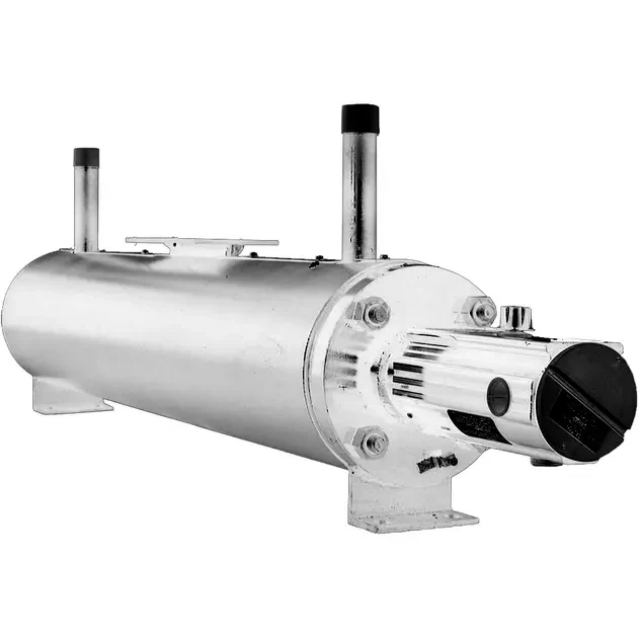
When comparing inline heaters to other types of industrial heaters, such as batch or tank heaters, several key advantages stand out.
One of the main benefits of inline heaters over batch heating systems is their ability to provide continuous heat to fluid streams. Unlike batch heaters, which require fluids to be heated in large tanks before being processed, inline heaters heat the fluid as it flows through the system. This eliminates the need for waiting time, providing a continuous supply of heated fluid and reducing downtime.
Temperature consistency is crucial in many industrial processes, especially when chemical reactions or product quality depend on precise temperature control. Inline heaters provide uniform and stable heating throughout the entire fluid flow, ensuring that the temperature remains consistent from start to finish.
In contrast, batch heaters may experience temperature fluctuations as the heating cycle begins or ends, which can result in uneven product quality or compromised process efficiency.
The table below compares inline heaters with circulation heaters, highlighting the advantages of each type for different industrial applications.
Feature | Inline Heaters | Circulation Heaters |
Flow Control | Continuous stream | Batch or constant flow |
Installation Ease | Simple, compact | Requires more space |
Heat Distribution | Even across the flow path | Uniform in tanks |
Ideal Applications | Pipeline heating, pre-heating | Tank heating, large volumes |
As shown in the table, inline heaters are better suited for applications that require continuous fluid flow, while circulation heaters are more appropriate for batch processes or applications with large fluid volumes. The choice between the two will depend on the specific needs of the industrial process.
Safety is a crucial factor when using any type of industrial heating system, and inline heaters are no exception. Here are some safety tips and best practices to ensure the safe and efficient operation of inline heaters:
Over-temperature protection: Ensure that the inline heater is equipped with temperature sensors and thermostats to monitor the fluid temperature and prevent overheating.
Pressure relief: For applications where fluids are heated under pressure, it’s important to use inline heaters that are rated for high-pressure conditions to prevent accidents.
Regular maintenance: Inspect inline heaters regularly to ensure that they are functioning properly and that no buildup or blockages are restricting the flow of fluid.
By following these safety guidelines, operators can ensure that inline heaters operate safely and effectively, providing consistent and reliable heating for industrial processes.
Inline heaters provide an efficient and reliable heating solution for continuous fluid flow systems. Whether used in pipelines, pre-processing stages, or other industrial applications, inline heaters offer the benefits of consistent temperature control, minimal space requirements, and low maintenance. With their ability to maintain precise temperatures and handle a variety of fluids, inline heaters are an essential tool in industries like oil and gas, food processing, and water treatment.
For industries seeking an efficient, energy-saving solution for fluid heating, HOTO’s inline heaters provide the perfect solution. To learn more about our inline heaters and how they can optimize your industrial heating processes, please contact us today.
Q1: What makes inline heaters ideal for continuous flow systems?
A1: Inline heaters are designed to heat fluids continuously as they flow through the system, providing consistent temperature control without the need for batch heating, which helps improve efficiency and reduce downtime.
Q2: Can inline heaters be used for heating both liquids and gases?
A2: Yes, inline heaters are suitable for heating both liquids and gases in various industrial applications, providing precise temperature control for a wide range of fluids.
Q3: How do inline heaters compare to other heating methods in terms of energy efficiency?
A3: Inline heaters are highly energy-efficient because they directly heat the fluid as it passes through the system, eliminating heat loss and reducing overall energy consumption compared to other heating methods.
Q4: Are inline heaters suitable for high-pressure applications?
A4: Yes, inline heaters can be customized for high-pressure applications, ensuring safe and efficient heating in systems where fluids are heated under pressure.


