E-mail Us: market1@hotoheat.com Call Us On: +86-15366416606

- All
- Product Name
- Product Keyword
- Product Model
- Product Summary
- Product Description
- Multi Field Search
Views: 193 Author: Site Editor Publish Time: 2025-09-27 Origin: Site
The petrochemical industry operates under some of the harshest and most demanding conditions in the world. From heating crude oil to processing volatile chemicals, every step requires precise thermal management to maintain safety, efficiency, and product integrity. At the heart of many of these operations lies an often-overlooked component: the flanged immersion heater.
Unlike generic heating systems, flanged immersion heaters are purpose-built to withstand corrosive fluids, high-pressure vessels, and the explosive risk zones typical of petrochemical facilities. In this article, we will explore why flanged immersion heaters are indispensable to the petrochemical sector, their technical advantages, applications, safety considerations, and the innovations shaping their future.
A flanged immersion heater is an industrial heating element mounted on a flange, which allows it to be directly installed into tanks, vessels, or pipelines. The heater is immersed in the liquid or gas that requires heating, ensuring efficient, direct transfer of thermal energy. Unlike external heating systems, immersion heaters minimize heat loss, providing a highly efficient solution.
In petrochemical applications, their flanged design ensures a robust seal, preventing leaks in high-pressure and high-temperature environments. This makes them a critical choice for industries where safety and efficiency are paramount.
Petrochemical processes often involve fluids with high viscosity, corrosive properties, or sensitivity to temperature variations. Without precise heating, operations such as crude oil transport or chemical refining can slow down, become unsafe, or even cause costly downtime. Flanged immersion heaters address these challenges by:
Maintaining fluid flow by reducing viscosity.
Preventing solidification of chemicals in pipelines.
Providing uniform heat distribution inside storage tanks.
Ensuring compliance with safety regulations.
The durability of flanged immersion heaters comes from their specialized design. Features like explosion-proof terminal enclosures, corrosion-resistant sheath materials (Incoloy, stainless steel, titanium), and high-watt density ratings make them uniquely suited to petrochemical environments. Customization options such as thermowells and control panels further align them with site-specific needs.
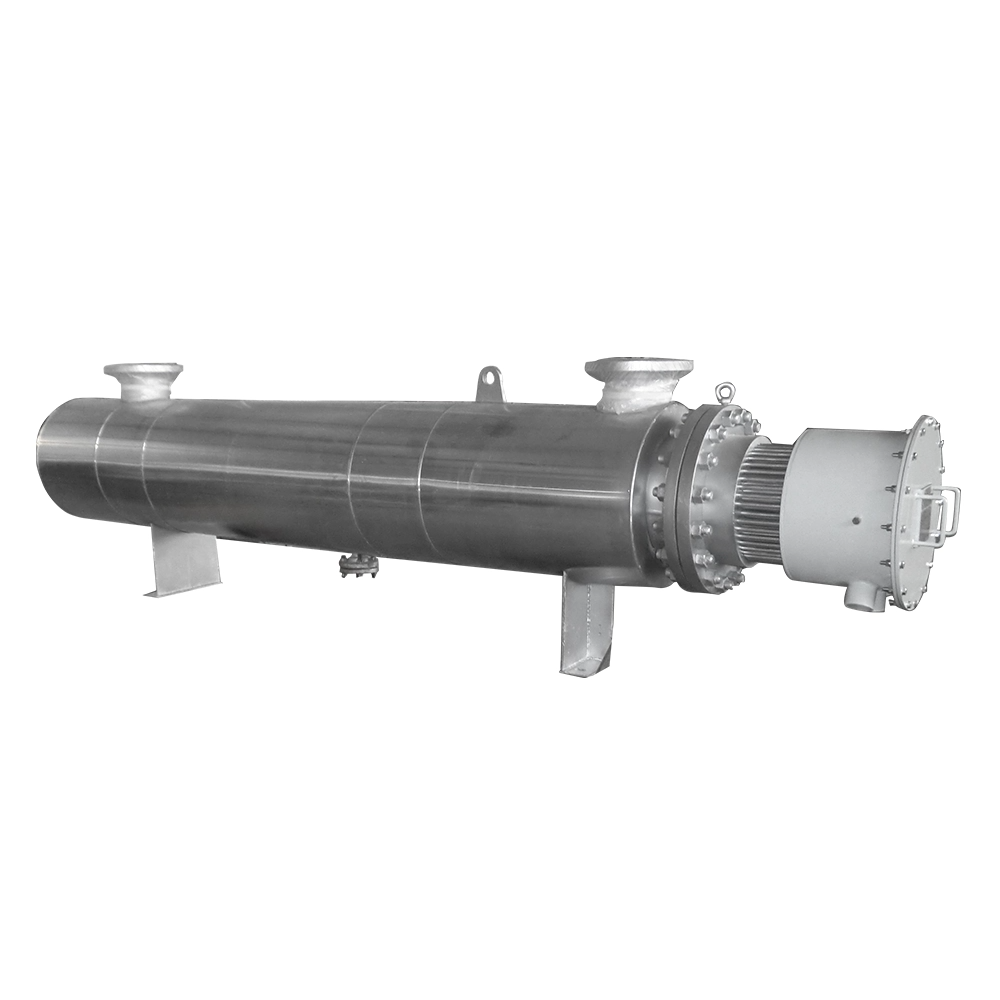
Crude oil is notoriously thick at ambient temperatures, making it difficult to pump or process. A flanged immersion heater reduces viscosity, allowing for smoother flow during transportation and refining. For heavy crude, this is not just convenient—it’s essential for cost-effective operations.
Storage tanks holding petrochemicals often require consistent heating to prevent condensation, stratification, or product degradation. Flanged immersion heaters provide steady and uniform heat distribution, ensuring that stored chemicals maintain optimal quality until they are processed or transported.
In cold climates, petrochemical pipelines risk solidification and blockages. Installing immersion heaters at critical points along the pipeline helps maintain fluidity and prevents operational shutdowns. Their direct-contact heating is more effective and economical compared to external heating jackets.
Many petrochemical reactions are temperature-dependent. Flanged immersion heaters deliver precise thermal input for controlled chemical reactions, distillation, and separation processes. This ensures product consistency and reduces the risk of off-spec batches.
Table 1: Key Applications of Flanged Immersion Heaters
| Application Area | Role of Flanged Immersion Heater | Benefit in Petrochemical Industry |
|---|---|---|
| Crude Oil Heating | Reduces viscosity | Easier pumping and refining |
| Tank & Vessel Heating | Maintains stable temperature | Prevents condensation & stratification |
| Pipeline Heating | Prevents solidification | Avoids blockages and downtime |
| Process Heating | Provides precise heat for reactions | Ensures product consistency |
Because immersion heaters are submerged directly into the medium, nearly all the generated heat is transferred without loss. This contrasts with indirect methods like external jackets, which waste energy.
The flange-mounted design makes installation straightforward, even in limited spaces. Maintenance is also simpler—heaters can be removed without dismantling entire systems, minimizing downtime.
Petrochemicals are often aggressive toward metals. With sheath options such as Incoloy or titanium, flanged immersion heaters can operate for years without degradation, even in corrosive media like acids or solvents.
Selecting the correct sheath material is vital. Stainless steel suits general applications, while Incoloy and titanium are preferred for corrosive environments. A mismatch can lead to premature failure and costly shutdowns.
Heaters must be engineered to withstand both the operating temperature of the fluid and the pressure inside the tank or pipeline. Oversights in rating selection can compromise safety and compliance.
Petrochemical facilities often require customized heaters with variable watt densities, built-in thermowells, or specific flange sizes. Customization ensures compatibility with diverse applications.
Table 2: Common Sheath Materials and Their Applications
| Sheath Material | Best For | Limitation |
|---|---|---|
| Stainless Steel | General petrochemical fluids | Limited resistance to strong acids |
| Incoloy | High-temperature hydrocarbons | Higher cost |
| Titanium | Highly corrosive fluids & solvents | Cost-intensive, niche applications |
Petrochemical plants are classified as hazardous zones. Flanged immersion heaters are available with ATEX, IECEx, and UL certifications, ensuring safe operation in explosive atmospheres.
Modern immersion heaters integrate thermostats, thermocouples, and digital control systems to prevent overheating, protecting both equipment and product quality.
Compliance with recognized industry standards ensures not only safety but also global acceptance and ease of integration across multinational facilities.
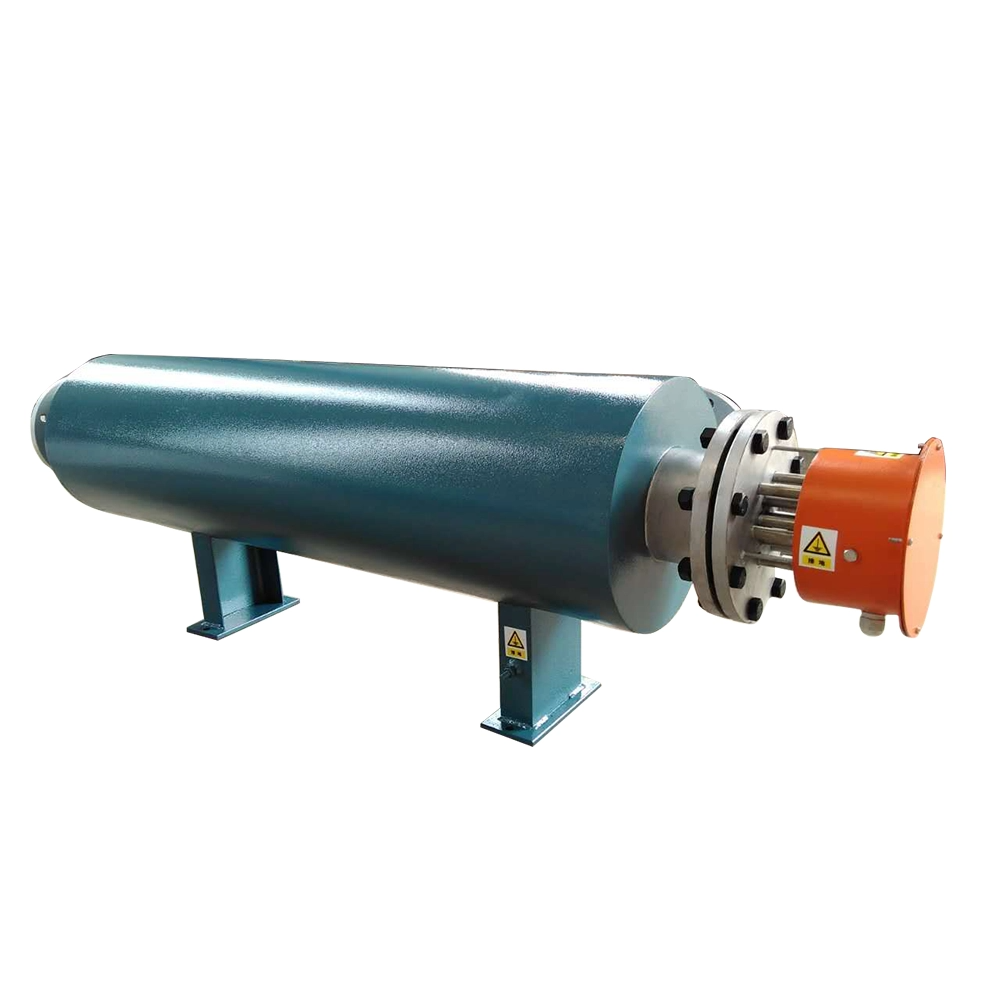
While circulation heaters provide external heating with pumped flow, immersion heaters offer direct contact heating. For applications demanding minimal heat loss, immersion heaters are superior.
Direct fired heaters are powerful but risky in petrochemical contexts due to open flames. Immersion heaters eliminate this risk while offering equal or better efficiency in many applications.
Although immersion heaters may require higher upfront investment, their efficiency and reduced maintenance needs lower total cost of ownership over time.
Table 3: Comparison of Heating Methods
| Heating Method | Efficiency | Safety Level | Typical Petrochemical Use |
|---|---|---|---|
| Flanged Immersion Heater | Very High | High | Tanks, pipelines, vessels |
| Circulation Heater | High | Medium | External flow systems |
| Direct Fired Heater | Medium | Low | Large crude processing |
Installation requires proper flange alignment, sealing gaskets, and adherence to hazardous area guidelines. Poor installation can cause leaks or system inefficiencies.
Regular inspections ensure heaters remain free of scaling and deposits. Petrochemicals often leave residues that can hinder heat transfer if not managed.
Integrating heaters with automated control systems not only enhances efficiency but also extends their service life by preventing overheating and unnecessary cycling.
As petrochemical companies face pressure to reduce carbon footprints, flanged immersion heaters contribute through their high energy efficiency and ability to integrate with renewable energy sources.
Next-generation immersion heaters are being paired with IoT sensors for real-time monitoring, predictive maintenance, and automated efficiency optimization.
Expect advancements in nanocoatings, composite sheaths, and hybrid heating systems that further extend durability and adaptability to extreme environments.
The petrochemical industry relies on robust, efficient, and safe heating solutions to maintain operations. The flanged immersion heater emerges as a cornerstone technology, offering direct-contact heating, reliability in corrosive environments, and compliance with global safety standards. Whether for crude oil heating, tank management, or precise process control, these heaters enable petrochemical facilities to operate at peak efficiency while meeting safety and sustainability goals.
1. What is the main purpose of a flanged immersion heater in the petrochemical industry?
It provides efficient, direct heating for fluids like crude oil, chemicals, and solvents, ensuring viscosity control, safe storage, and process consistency.
2. Can flanged immersion heaters handle corrosive fluids?
Yes. With the right sheath material (e.g., titanium, Incoloy), they can withstand aggressive petrochemical environments.
3. How do flanged immersion heaters compare to circulation heaters?
Immersion heaters provide direct heating and higher efficiency, while circulation heaters are preferred for applications needing pumped flow.
4. What certifications should be checked before installation?
Look for ATEX, IECEx, UL, and API/ASME compliance to ensure suitability for hazardous petrochemical zones.
5. How long do flanged immersion heaters typically last in petrochemical use?
With proper material selection and maintenance, they can operate reliably for 5–10 years or more.


