E-mail Us: market1@hotoheat.com Call Us On: +86-15366416606

- All
- Product Name
- Product Keyword
- Product Model
- Product Summary
- Product Description
- Multi Field Search
Views: 224 Author: Site Editor Publish Time: 2025-12-26 Origin: Site
Flanged heaters have become an essential component in various industrial heating systems around the world. These heaters, known for their efficiency, versatility, and durability, are used in industries ranging from chemical processing to food production. The design of a flanged heater allows it to be securely mounted to a flange, making it ideal for applications where direct immersion heating is required. This blog explores how flanged heaters are used globally, highlighting their critical applications, advantages, and considerations in selecting the right heating solution.
A flanged heater is a type of industrial heating element that features a heating element embedded within a metal flange. The flange allows the heater to be easily mounted onto tanks, vessels, or other containers that require heating. These heaters can be immersed directly into fluids or gases, providing an efficient way to transfer heat to the desired medium. The design typically includes an electrical heating element that generates heat when powered, with the heat transferred through the flange to the surrounding medium.
Heating Element: The heating element is often made of materials such as Incoloy, stainless steel, or copper, which are chosen for their resistance to corrosion and ability to withstand high temperatures.
Heat Transfer: As the heating element heats up, the heat is transferred to the surrounding medium via conduction through the flange.
Flange Mounting: The flange allows the heater to be mounted to a tank or container, making it ideal for use in large industrial applications where precise heating is needed.
The efficiency and versatility of flanged heaters make them highly suitable for various industries that require consistent and reliable heat.
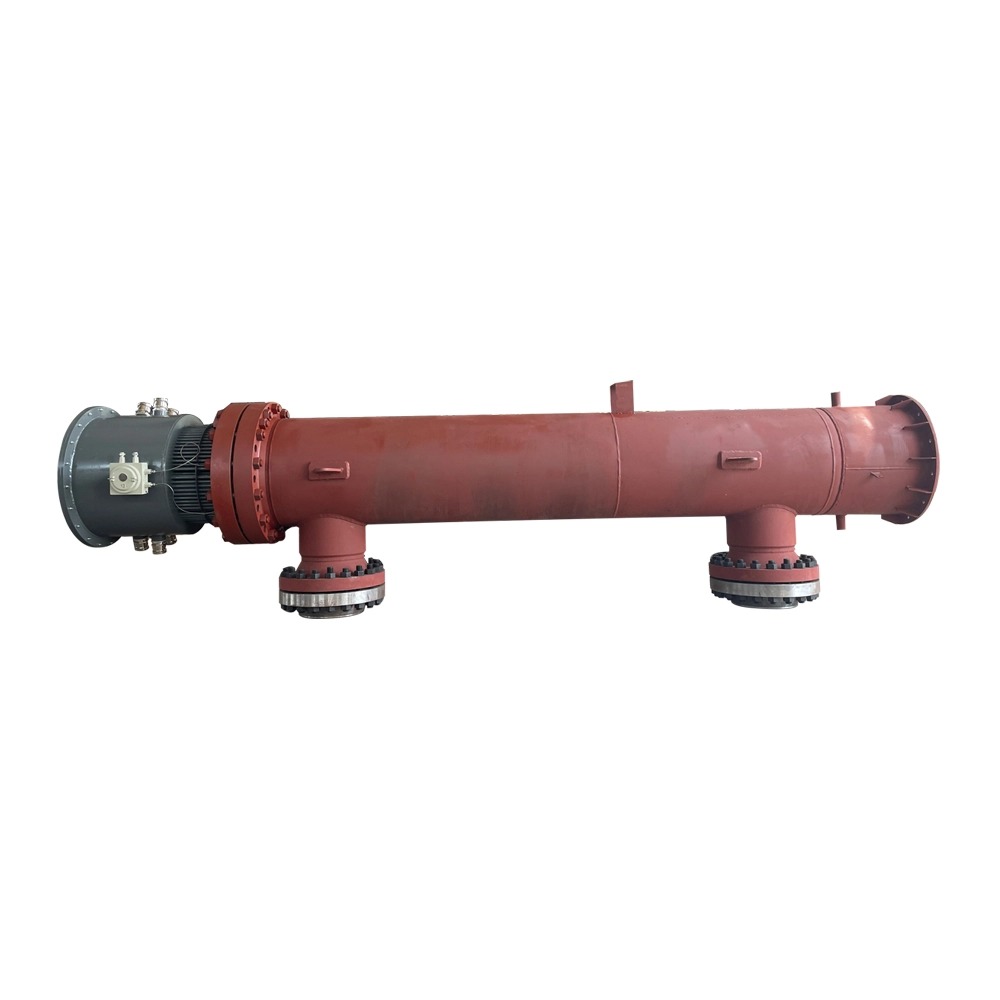
Flanged heaters are used across multiple industries due to their adaptability and effectiveness. Below are some of the most common applications:
In chemical manufacturing, precise temperature control is critical. Flanged heaters are used to heat chemical baths, reactors, and storage tanks, ensuring that the processes remain within the necessary temperature range. The heaters' resistance to corrosion and high temperatures makes them ideal for handling aggressive chemicals.
In the oil and gas industry, flanged heaters are often used to heat crude oil, natural gas, and various by-products. These heaters can be mounted on large pipes, tanks, or vessels that require heating to reduce viscosity or facilitate the flow of materials through pipelines.
Flanged heaters are commonly used in the food and beverage industry for processes such as pasteurization, sterilization, and temperature control in food preparation and storage. They provide efficient and controlled heating, essential for maintaining food quality and safety.
Flanged heaters play a critical role in pharmaceutical manufacturing, where consistent and precise temperature regulation is crucial. These heaters are often used in the production of medicines, vaccines, and other pharmaceutical products, where maintaining sterile and controlled environments is necessary.
Flanged heaters are often used in water treatment facilities to heat water for various purposes, such as disinfection or creating optimal conditions for chemical treatments. Their ability to function effectively in harsh environments makes them ideal for use in water treatment operations.
Flanged heaters serve as a core component in many industrial heating systems. They offer several benefits that contribute to their widespread adoption across different sectors.
Flanged heaters are designed for direct immersion into fluids, providing high-efficiency heat transfer. The heating element is in direct contact with the material being heated, allowing for fast and consistent temperature regulation.
Flanged heaters can be tailored to meet the specific needs of a given industry. Whether it is adjusting the voltage, watt density, or material used for the heating element, these heaters can be customized to suit different heating requirements.
The robust construction of flanged heaters, combined with materials resistant to corrosion and wear, ensures a long service life. This makes them a cost-effective solution for industries that rely on continuous operation and minimal downtime.
Flanged heaters are often compared to other types of heating elements, such as cartridge heaters, band heaters, or immersion heaters. However, flanged heaters stand out in several ways.
The flange design makes it easy to mount flanged heaters to tanks, pipes, or vessels. Unlike some other heating elements that require complex installation processes, flanged heaters can be quickly secured and begin operation.
Flanged heaters are capable of achieving higher watt densities compared to other heating solutions. This means they can deliver more heat over a smaller surface area, making them highly effective in applications where space is limited.
Flanged heaters can be used in a variety of applications, from heating liquids to gases. Their adaptability makes them suitable for industries with diverse heating needs.
Selecting the right flanged heater requires careful consideration of several factors to ensure optimal performance and safety. Here are some key points to keep in mind:
The intended use of the heater plays a significant role in determining the appropriate model. For example, a flanged heater for chemical processing will need to be constructed with materials that are resistant to corrosive substances, whereas a heater for food production might need to comply with sanitary standards.
Choosing the right wattage is essential to ensure efficient heating. Heaters that are too small will struggle to provide the required temperature, while those that are too large could waste energy. It is important to match the heater's capacity to the size of the vessel or tank it will be used in.
Flanged heaters are made from various materials, such as stainless steel or Incoloy, which offer different levels of corrosion resistance and heat tolerance. The right material will depend on the specific requirements of the application, such as the temperature range and exposure to chemicals.
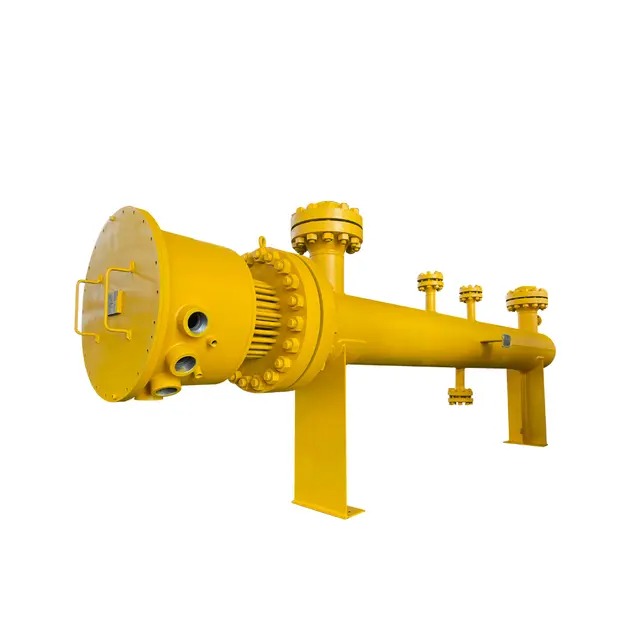
To ensure optimal performance and extend the lifespan of flanged heaters, regular maintenance is crucial. Here are a few tips for maintaining your flanged heater:
Check for Corrosion: Inspect the heating element and flange for signs of corrosion, especially in industries where chemicals or high moisture are involved.
Clean the Heater: Regular cleaning can prevent the buildup of dirt, scale, and other residues that could impact heating efficiency.
Monitor Performance: Routinely check the heater's temperature and wattage output to ensure it is operating within the desired parameters.
Check Electrical Connections: Ensure all electrical connections are secure and free of corrosion to avoid electrical malfunctions.
Flanged heater technology continues to evolve, with new innovations focused on improving efficiency, energy savings, and ease of use. Key trends include:
Smart Heaters: Integration of sensors and controls that allow for remote monitoring and precise temperature regulation.
Energy Efficiency: Development of more energy-efficient materials and designs that minimize energy consumption while maximizing heating performance.
Advanced Materials: Research into new materials that offer better corrosion resistance and higher performance at extreme temperatures.
These advancements promise to make flanged heaters even more reliable and efficient in meeting the diverse needs of industries worldwide.
Flanged heaters are a vital component in many industrial heating systems, offering unmatched efficiency, durability, and versatility. From chemical processing to food production, their widespread use highlights their importance in maintaining optimal temperatures in various applications. By understanding the key benefits and proper maintenance techniques, industries can ensure that their flanged heaters continue to operate effectively and reliably for years to come.
1. What industries use flanged heaters?
Flanged heaters are used across a range of industries, including chemical processing, oil and gas, food production, pharmaceutical manufacturing, and water treatment.
2. What are the advantages of flanged heaters over other heating elements?
Flanged heaters offer superior heat transfer efficiency, easy installation, and longer durability compared to other heating elements like cartridge or band heaters.
3. How do I choose the right flanged heater for my application?
Consider factors such as the application type, required power and size, and material compatibility to ensure you select the most suitable flanged heater.
4. How often should flanged heaters be maintained?
Regular maintenance, including cleaning and checking for corrosion, should be performed periodically to ensure optimal heater performance.
5. What are the future trends in flanged heater technology?
Future trends include smart heaters with remote monitoring, energy-efficient designs, and the use of advanced materials for improved performance.


