E-mail Us: market1@hotoheat.com Call Us On: +86-15366416606

- All
- Product Name
- Product Keyword
- Product Model
- Product Summary
- Product Description
- Multi Field Search
Views: 0 Author: Site Editor Publish Time: 2026-01-16 Origin: Site
HOTO Heating Equipment Co., Ltd. has a longstanding reputation for providing high-quality industrial heating solutions. Among the various products that we manufacture, circulation heaters play a crucial role in many industrial processes, particularly in the biodiesel industry. These heaters help in maintaining the ideal temperature for feedstock conditioning, chemical reactions, and storage, ensuring efficiency and quality in biodiesel production. In this article, we will delve into the importance of circulation heaters in the biodiesel industry, covering key processes, challenges, and the critical benefits they offer.
Biodiesel production involves several steps that require precise control over temperature to achieve optimal results. From the preheating of feedstocks to the reaction process and final storage, temperature control plays a pivotal role in ensuring consistency and maximizing the yield. In the biodiesel industry, maintaining a steady temperature during the conversion of vegetable oils or animal fats to biodiesel is essential for the efficiency and quality of the final product.
In biodiesel production, several key steps require accurate temperature control to achieve the best results:
Preheating feedstocks: Vegetable oils or animal fats must be heated to a specific temperature before they are subjected to chemical reactions, ensuring proper viscosity and flow characteristics for the transesterification process.
Reactor operation: During the transesterification process, where the oils are converted into biodiesel and glycerol, the temperature must be carefully regulated to ensure that the chemical reaction proceeds efficiently.
Final product conditioning: After the biodiesel has been produced, it is important to maintain specific temperatures during the separation and purification stages to ensure that the biodiesel remains of high quality.
Viscosity is a key factor that affects the fluidity of oils and fats during the biodiesel production process. In cold weather, oils can become too thick, which can lead to difficulties in pumping and inefficient reactions. Circulation heaters are used to ensure that the feedstock is heated to the correct viscosity, allowing it to flow smoothly through the system and preventing blockages or poor mixing. This ensures a more efficient and consistent biodiesel production process.
Feedstock conditioning is a critical step in the biodiesel production process. It involves the preheating of oils and fats to achieve the proper viscosity for the chemical reaction. Circulation heaters play a significant role in ensuring that the feedstock is heated evenly and consistently, preventing issues that can arise from uneven heating or underheating.
For biodiesel production to be efficient, the feedstock must be heated to a specific temperature. Circulation heaters provide precise and uniform heating, ensuring that the entire volume of oil or fat reaches the desired temperature. This consistency in temperature allows for better control of the transesterification process, leading to higher-quality biodiesel and increased yield.
Cold weather can cause oils and fats to solidify or gel, which can cause issues during the biodiesel production process. Circulation heaters are particularly useful in preventing this gelling, ensuring that the feedstock remains at the correct temperature even in low temperatures. This is especially important in colder climates, where feedstock temperatures can drop significantly and impact the efficiency of the production process.
In biodiesel production, the efficiency of the chemical reactions depends heavily on maintaining the right temperature throughout the process. Circulation heaters ensure that the entire reaction chamber stays at a uniform temperature, improving reaction rates and overall efficiency.
One of the main benefits of using circulation heaters in the biodiesel industry is their ability to provide uniform heating across the entire system. In reactors, where transesterification occurs, even temperature distribution is crucial for ensuring that the reaction proceeds efficiently. Hot spots or uneven temperatures can result in incomplete reactions, lower yields, and the production of lower-quality biodiesel.
Maintaining the correct fluidity of the feedstock is also essential for ensuring that the biodiesel production process runs smoothly. Circulation heaters help maintain the required temperature for optimal fluidity, preventing the feedstock from becoming too thick or viscous. This ensures that the pumps and other equipment in the production line can operate smoothly, avoiding costly maintenance issues and downtime.
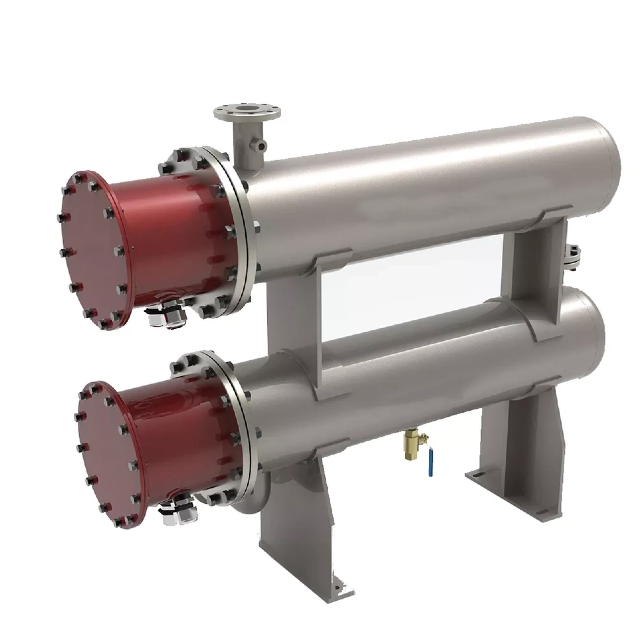
In addition to enhancing process efficiency, circulation heaters also provide significant safety and quality control benefits. These benefits are especially important in industries like biodiesel production, where maintaining consistent product quality is crucial.
By providing consistent heating, circulation heaters help reduce batch variability, ensuring that each batch of biodiesel produced has the same quality and properties. This consistency is critical for biodiesel producers, as variability in product quality can lead to issues with fuel performance, regulatory compliance, and customer satisfaction.
In biodiesel production, the chemical reaction relies on the use of catalysts. Circulation heaters help maintain the correct temperature, ensuring that the catalyst remains active throughout the process. This leads to a more efficient reaction, higher yields, and better-quality biodiesel. By maintaining optimal temperatures, circulation heaters also extend the lifespan of the catalyst, reducing the need for frequent replacements.
To achieve the best results when using circulation heaters in biodiesel production, it is important to follow certain operational best practices. These practices ensure that the heaters perform optimally and that the overall system remains efficient.
Proper heater configuration is essential for maximizing the efficiency of circulation heaters. This includes selecting the right heater size, wattage, and material to ensure that the system can handle the required flow rates and temperatures. Additionally, integrating control systems that allow for real-time monitoring and adjustment of the heater’s temperature settings helps maintain optimal performance and reduce energy consumption.
Regular monitoring of the system’s temperature is essential to ensure that the heaters are performing as expected. Circulation heaters should be paired with temperature sensors and controllers to monitor the temperature of the feedstock continuously. This allows for immediate adjustments to be made if the temperature deviates from the desired range, helping to maintain process efficiency and product quality.
Process Stage | Temperature Range | Heater Impact |
Pre-heat feedstock | 40–70°C | Reduce viscosity |
Reactor operation | 60–90°C | Optimize conversion |
Storage | 30–50°C | Prevent settling |
A biodiesel plant in a cold climate region faced significant issues with feedstock gelling, which was affecting the flow of oil and reducing production efficiency. After integrating circulation heaters into their system, the plant was able to maintain the required temperature even in low temperatures, ensuring a consistent feedstock flow. The heaters helped reduce viscosity and improved the overall efficiency of the biodiesel production process, resulting in a higher yield and better-quality biodiesel. The plant also experienced lower energy consumption, as the heaters provided more precise control over the temperature, reducing the need for excess heating.
In conclusion, HOTO’s industrial circulation heaters are essential tools in the biodiesel industry. By providing precise temperature control, improving reaction efficiency, and enhancing overall process stability, these heaters help biodiesel producers achieve consistent, high-quality fuel while reducing energy consumption and operational costs. As biodiesel production continues to grow, the role of circulation heaters in ensuring efficient and sustainable production will become even more important. For more information on how HOTO can help optimize your biodiesel production process with our circulation heaters, please contact us today.
Q1: Why are temperature control and viscosity important in biodiesel production?
A1: Temperature control and viscosity are critical because they affect the flow and chemical reactions in biodiesel production. Circulation heaters ensure that feedstock flows smoothly and reacts efficiently.
Q2: How do circulation heaters improve biodiesel yield?
A2: By maintaining a uniform temperature during the reaction process, circulation heaters improve reaction efficiency, leading to higher yields and better-quality biodiesel.
Q3: Can circulation heaters be used in other industries besides biodiesel production?
A3: Yes, circulation heaters are used in a wide range of industries, including chemical processing, oil & gas, and water heating, wherever consistent fluid heating is required.
Q4: How can I integrate circulation heaters into my biodiesel production system?
A4: HOTO offers a range of circulation heaters that can be easily integrated into existing systems. Our team can help you choose the right heater and configuration for your specific needs.


