E-mail Us: market1@hotoheat.com Call Us On: +86-15366416606

- All
- Product Name
- Product Keyword
- Product Model
- Product Summary
- Product Description
- Multi Field Search
Views: 0 Author: Site Editor Publish Time: 2026-01-09 Origin: Site
HOTO Heating Equipment Co., Ltd. stands as a prominent leader in providing advanced heating solutions tailored to meet the needs of various industries. As part of our commitment to offering efficient industrial solutions, circulation heaters are one of the key products we manufacture and offer. These heaters are designed to provide precise and effective heating for flowing liquids and gases within closed-loop systems. They ensure that the required temperature is maintained consistently across the system, significantly improving process efficiency. In this article, we will explore the importance of circulation heaters, their benefits, applications, and technical considerations, while also discussing the future trends in industrial heat solutions.
Circulation heaters are specially engineered devices designed to heat liquids or gases that are moving through a system. By incorporating heating elements into a chamber that is connected to inlet and outlet ports, these heaters facilitate the continuous flow of heated fluid, ensuring that the entire system maintains an even temperature throughout the process. The design ensures that no part of the fluid is subjected to excessive or insufficient heating, thereby preventing temperature fluctuations that could lead to inefficiency or system failures.
Circulation heaters are used to maintain consistent temperature levels in processes that involve the flow of fluids, such as oils, water, or gases. These heaters work by transferring heat through a metal heating element, usually immersed in the fluid. As the fluid passes through the heating chamber, it absorbs the heat generated by the element, raising the fluid's temperature to the desired level. The continuous circulation of the fluid ensures that the temperature remains uniform throughout the system, preventing hot or cold spots that can affect overall process quality.
In industrial settings, circulation heaters play a crucial role in the overall thermal management of a system. These heaters are often integrated with other components, such as thermostats, temperature sensors, and advanced control systems, to optimize heating performance. This integration allows industries to maintain precise temperature control, which is vital for ensuring the quality and consistency of their products.
For example, in chemical processing or oil extraction, maintaining the right temperature is critical to the efficiency of the reaction or extraction process. Circulation heaters ensure that these processes can continue without interruption, keeping the fluid at a constant temperature while it flows through various stages of the system.
Circulation heaters are widely used across many industries that require controlled heating for fluids or gases. Let’s explore some of the primary industries and their specific applications for circulation heaters.
In the oil and gas industry, circulation heaters are essential for heating crude oil, natural gas, and other fuels during extraction and transportation. These heaters are often used to preheat oils and gases before they enter pipelines or reactors, reducing viscosity and improving the flow of the fluids, especially in colder temperatures. By maintaining a consistent temperature, these heaters ensure that the fluid remains pumpable and that the extraction process operates smoothly, even in harsh environmental conditions.
Moreover, circulation heaters are used to regulate temperatures in refineries, ensuring that crude oil is heated to the required temperature for optimal processing. This is particularly important in refining operations, where precise temperature control is necessary to produce high-quality products like gasoline, diesel, and jet fuel.
In the chemical industry, circulation heaters are employed in reactors and heat exchangers to maintain optimal reaction temperatures. Many chemical processes, such as polymerization, crystallization, and distillation, require very specific temperature conditions to ensure efficient and accurate product creation. By maintaining uniform heat across the system, circulation heaters help prevent temperature variations that could lead to incomplete reactions, poor-quality products, or even safety hazards.
Circulation heaters are also used in fluid temperature control systems, where they heat the fluids used for cooling or heating purposes in chemical plants. In these systems, heat transfer is critical for maintaining the desired process conditions. By using circulation heaters, companies can improve energy efficiency, reduce downtime, and minimize risks related to temperature fluctuations.
For industries that rely on water and utility fluids, such as food processing, manufacturing, and power generation, circulation heaters play a vital role in maintaining water temperatures. In power plants, for instance, water must be heated to generate steam for turbines. Circulation heaters ensure that water flows through the system at the right temperature, improving energy efficiency and system reliability. Similarly, in the food industry, circulation heaters are used to maintain the temperature of water used for washing, pasteurization, or other heating processes.
The advantages of using circulation heaters extend beyond just their ability to maintain uniform heat. They offer several key benefits that make them an attractive choice for industrial heating applications.
One of the standout features of circulation heaters is their ability to provide uniform heat distribution. By circulating the heated fluid continuously through the system, circulation heaters prevent the formation of hot spots or uneven heating. This helps industries achieve optimal process efficiency, as all parts of the fluid are uniformly heated. Moreover, the even heat distribution ensures that energy is not wasted, resulting in reduced energy consumption and lower operating costs.
Another major advantage of circulation heaters is their scalability. These heaters can be designed to accommodate different flow rates, from small-scale operations to large industrial systems. Whether you are dealing with a small tank or a large refinery, circulation heaters can be scaled accordingly to meet the required heating demands. This flexibility allows businesses to optimize their heating systems to suit specific operational requirements, making circulation heaters a versatile solution for many industries.
Circulation heaters are designed for easy integration into existing industrial systems. This ease of integration ensures that companies can retrofit circulation heaters into their current infrastructure without the need for extensive modifications. Whether it’s replacing outdated heating systems or adding new heaters to an existing process, circulation heaters provide a cost-effective and efficient solution for improving system performance.
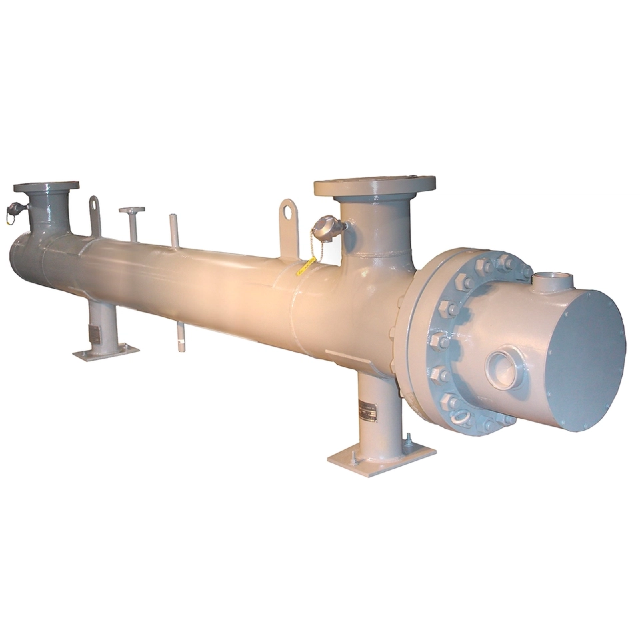
When selecting circulation heaters for industrial use, there are several key technical factors that need to be considered to ensure that the heater is optimal for the application.
The material of the heater is one of the most critical aspects to consider, especially when dealing with aggressive fluids or high temperatures. Circulation heaters are commonly made from materials like stainless steel or Incoloy, which offer excellent corrosion resistance and durability in harsh environments. Choosing the right material ensures that the heater will last longer, perform optimally, and minimize the need for maintenance or replacement.
The watt density of a circulation heater refers to how much heat energy is generated per unit area of the heating element. A higher watt density results in faster heating, but it also requires precise control systems to prevent overheating or damage to the system. Pairing circulation heaters with advanced control systems allows industries to fine-tune their heating processes, improving energy efficiency and overall system performance.
The orientation and installation of circulation heaters can have a significant impact on their performance. Proper positioning of the heater within the system ensures that the fluid flows evenly through the heating chamber, maximizing heat transfer efficiency. It is also essential to follow installation guidelines to prevent issues such as air pockets or uneven heating, which could compromise the system’s effectiveness.
Circulation heaters offer several advantages over traditional heating methods, such as steam heating and immersion heaters. The following table compares circulation heaters with these alternative methods.
Feature | Circulation Heaters | Steam Heating | Immersion Heaters |
Temperature Control | High | Moderate | High |
Efficiency | High | Variable | Very High |
Direct Fluid Heating | Yes | No | Yes |
One example of circulation heaters improving efficiency is in a chemical plant where the heating of reactor fluids was inconsistent, causing delays in production. After installing circulation heaters, the plant was able to maintain precise temperature control, significantly reducing production time and improving product quality. The circulation heaters also helped lower energy consumption, resulting in reduced operational costs and an improved bottom line.
As industries continue to evolve and demand for more energy-efficient solutions grows, the technology behind circulation heaters is advancing. In the coming years, we expect circulation heaters to integrate more seamlessly with smart control systems, providing industries with greater automation and real-time monitoring. This shift towards automation will allow for more precise temperature control and further energy savings, making circulation heaters an even more vital part of industrial heating systems.
In conclusion, HOTO's industrial circulation heaters offer a reliable, efficient, and cost-effective solution for industries requiring precise fluid heating. With benefits such as uniform heat distribution, energy efficiency, scalability, and ease of integration, circulation heaters play a crucial role in optimizing industrial processes. As industries continue to embrace more energy-efficient and automated solutions, circulation heaters will remain at the forefront of industrial heating technology. For more information on how HOTO can provide the ideal circulation heater solution for your needs, please contact us today!
Q1: What industries use circulation heaters?
A1: Circulation heaters are commonly used in oil & gas, chemical processing, water heating, and food processing industries where precise fluid heating is critical.
Q2: How do circulation heaters improve energy efficiency?
A2: They provide uniform heat distribution, ensuring that the entire fluid system operates at the desired temperature without excessive energy waste.
Q3: What materials are used in the construction of circulation heaters?
A3: Materials like stainless steel and Incoloy are used for their excellent corrosion resistance and ability to withstand high temperatures in aggressive environments.
Q4: Can circulation heaters be integrated into existing heating systems?
A4: Yes, HOTO's circulation heaters can be easily integrated into existing industrial systems, offering a cost-effective solution for upgrades or replacements.


